

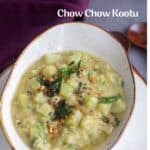
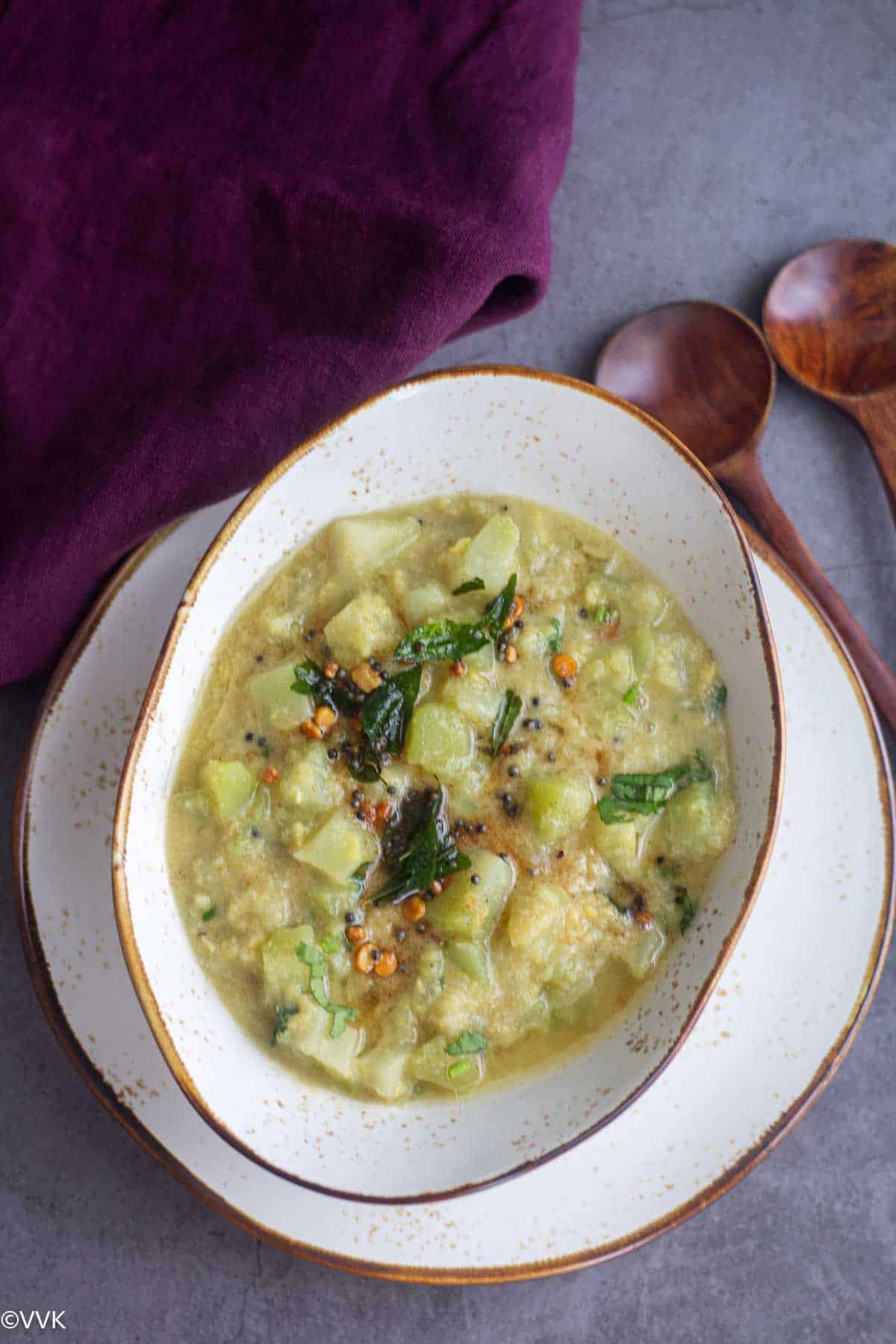
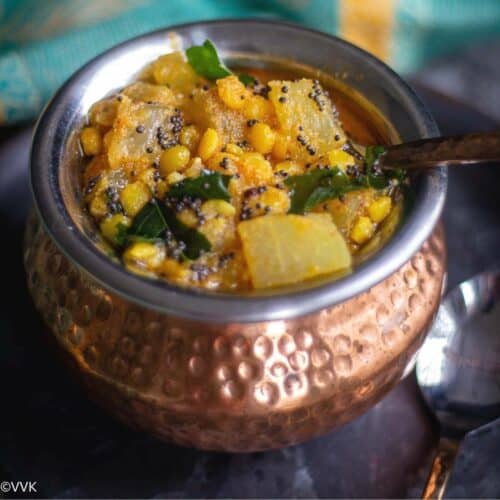
A simple Tamil Nadu-style chayote squash kootu — a hearty vegetable stew with lentils and freshly ground spices, made without onion or garlic. A perfect accompaniment to steamed rice.

A Tamil Nadu lunch thali, or full meal, is truly incomplete without a kootu. Here is a popular yet simple Tamil Nadu-style chow chow kootu — a chayote squash kootu prepared with freshly ground coconut-spice paste.
Jump to:
My love for kootu recipes!
I have over 15 kootu recipes on the blog, and it’s genuinely one of the most popular categories! You might be wondering how many kootu recipes I’ll keep posting — honestly, I don’t know either! In fact, I have one more coming up very soon. Some things just don’t have a limit.
Most of these kootus are vegan and skip asafoetida to keep them gluten-free. You can also make kootu without onion or garlic, which makes it ideal for auspicious days and festivals. This chow chow kootu follows that same principle — no onion, no garlic, just wholesome goodness. I have already posted another chow chow kootu recipe made in Instant Pot without coconut. The spice mix is slightly different. Do check it out.
As much as I love my Instant Pot, I love both my 3L and 10L stove-top pressure cookers as well. And yeah, the stackable containers as well. :-)
What Is Chayote Squash, and How Do You Cook It?
Chayote is a light green, pear-shaped vegetable that belongs to the gourd family. It goes by different regional names across South India — seema badanekayi in Kannada, sheema katharikai in Tamil, and seema vankaya in Telugu.
This versatile vegetable features in many South Indian recipes. It works wonderfully in sambar, as a dry sauté (poriyal), in chutneys, and of course, in this kootu. But in my opinion, nothing quite beats a well-made chow chow kootu.
Depending on the variety, the skin texture can vary — I always peel it before cooking. For sambar, I chop it into larger pieces; for kootu or poriyal, I cut it into small cubes. The good news is that you can peel and chop chayote well in advance — cut pieces stay fresh in the refrigerator for up to a week.
Three Key Steps to Making Kootu
Tamil Brahmin-style kootu, or any South Indian kootu, always follows three core steps:
- Pressure-cook the dal and vegetables. Moong dal is the traditional choice for kootu.
- Prepare the fresh spice paste. This is typically a blend of grated coconut, green or red chilies, and cumin seeds.
- Combine and temper. Mix the cooked dal and vegetables with the ground paste, bring to a boil, then finish with a fragrant tempering.
How to Cook the Chayote and Dal
Every family has its own approach to making kootu, and mine is no different! My mother and mother-in-law each have their own methods. My mother-in-law cooks the dal and vegetables together with salt and turmeric, while my mother cooks them separately, adds salt later, and skips the turmeric. There’s no single right way — it all depends on the quality of the lentils and the tenderness of the vegetable you’re using.
My method is a blend of both. I cook the dal and vegetables together, but without salt. I then add salt, the kootu masala, and finish with the tempering.
VVK Tip: When pressure cooking, always add the dal to the bottom, then water, and finally the vegetables on top. Soak the moong dal while you prep your vegetables. If your dal isn’t turning mushy after cooking, try cooking it separately for 4–5 whistles and the vegetable separately in an open pot — cooking the vegetable for too long can make it mushy and cause it to disintegrate.
Ingredients You’ll Need
Dal and vegetables: Moong dal is the traditional choice for kootu, and that’s exactly what I’ve used here. Kootu is always made with one type of vegetable — in this case, chow chow, also known as chayote squash.
Kootu masala: The fresh spice paste comes together with just three ingredients — grated coconut, cumin seeds, and green chilies. You can swap the green chilies for dried red chilies if you prefer.
For tempering: Since we already use cumin seeds in the masala, the tempering is done with mustard seeds, urad dal, and chana dal, along with curry leaves and asafoetida for that classic South Indian flavor.
You’ll also need water and salt, and a little chopped cilantro if you’d like — though that’s completely optional! Please check the recipe card for exact measurements.
How to Make Chow Chow Kootu — Step by Step
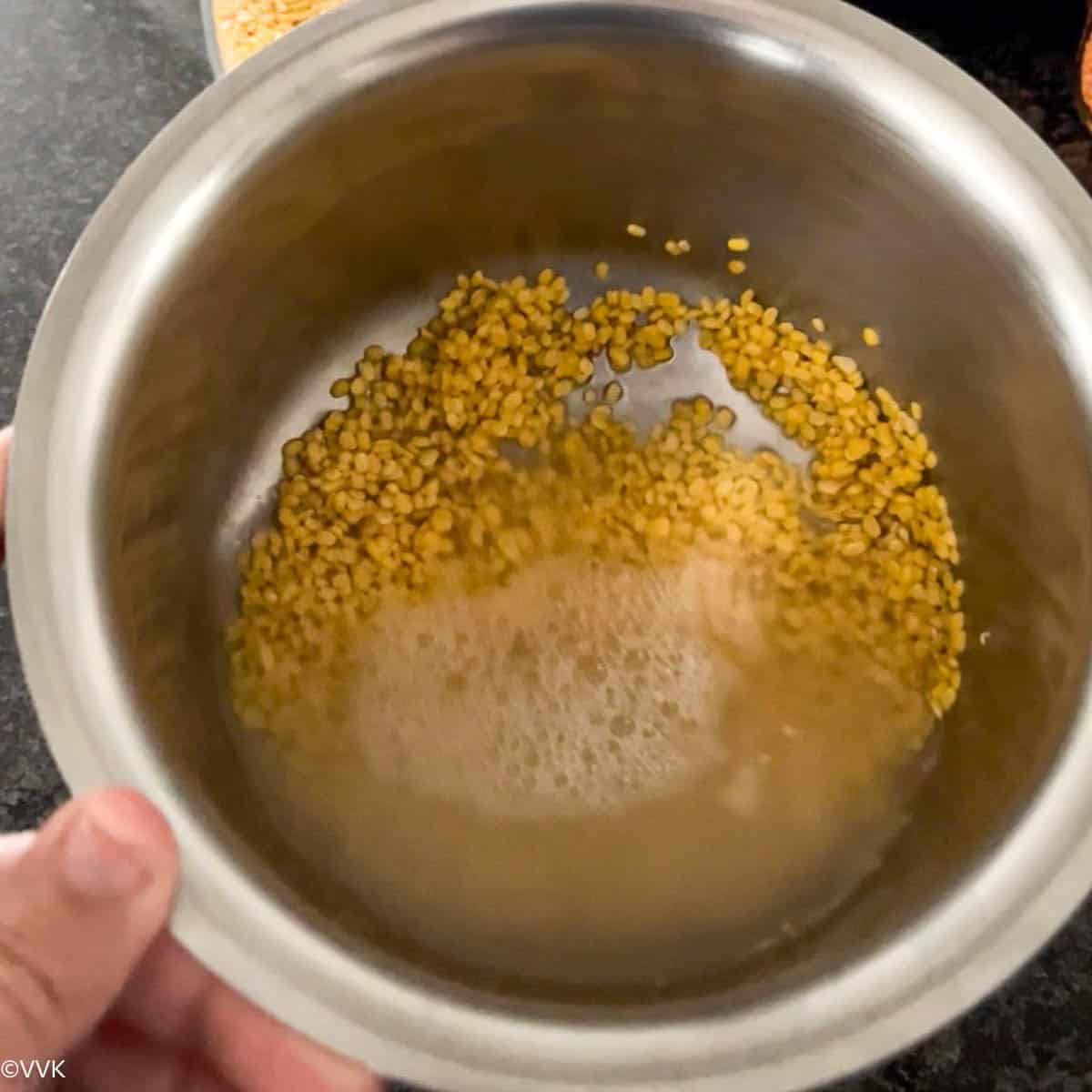
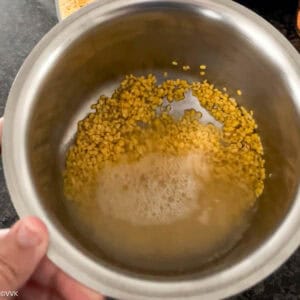
- In a vessel that fits inside your pressure cooker, rinse the moong dal thoroughly.
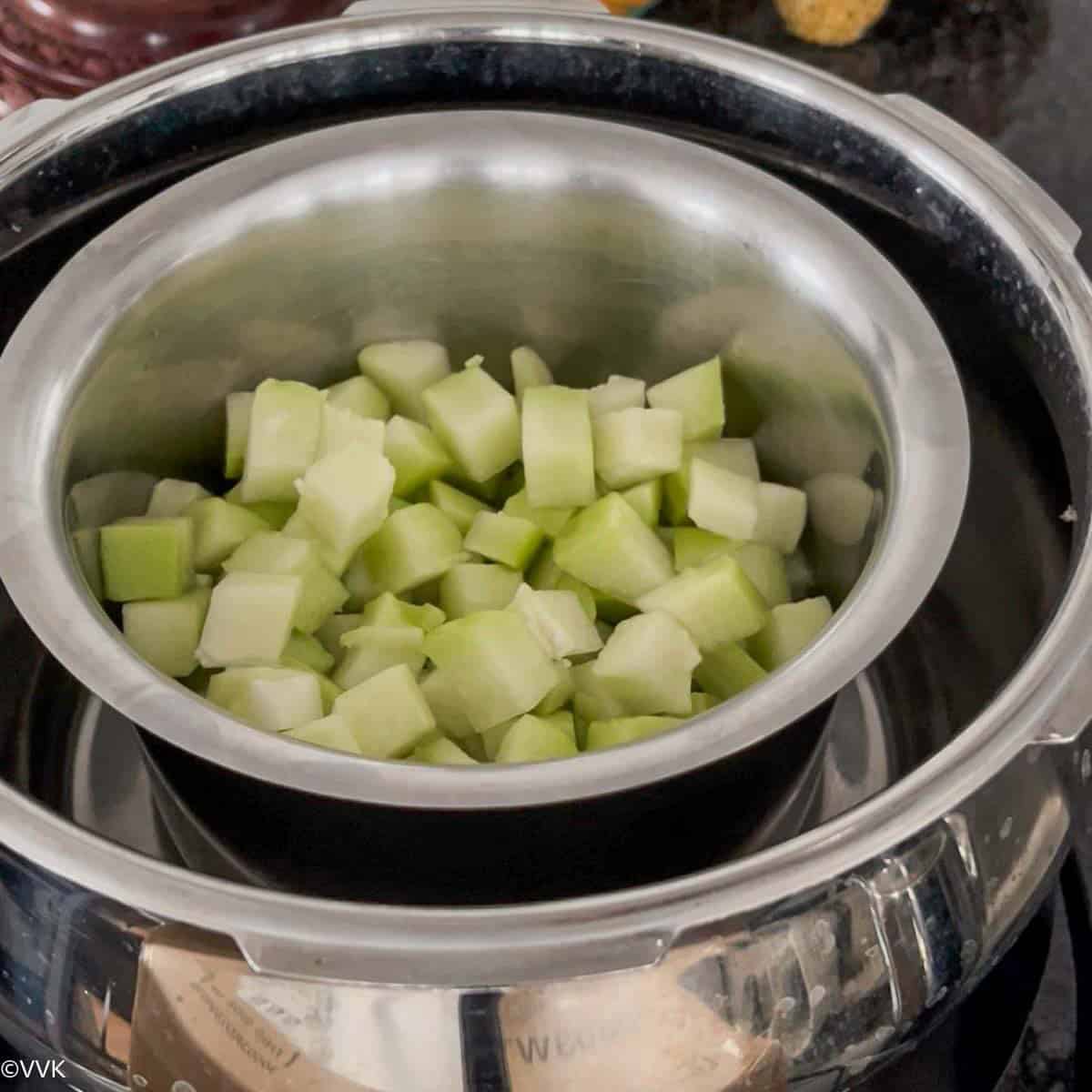
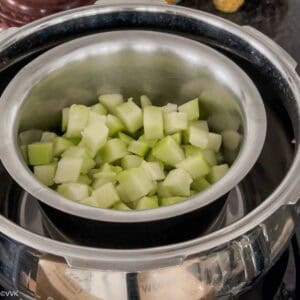
- Add the water, then place the cubed chayote on top. There’s no need to add extra water over the vegetables — chayote naturally releases moisture during cooking. Pressure cook for 3 whistles. Allow the pressure to release naturally before opening
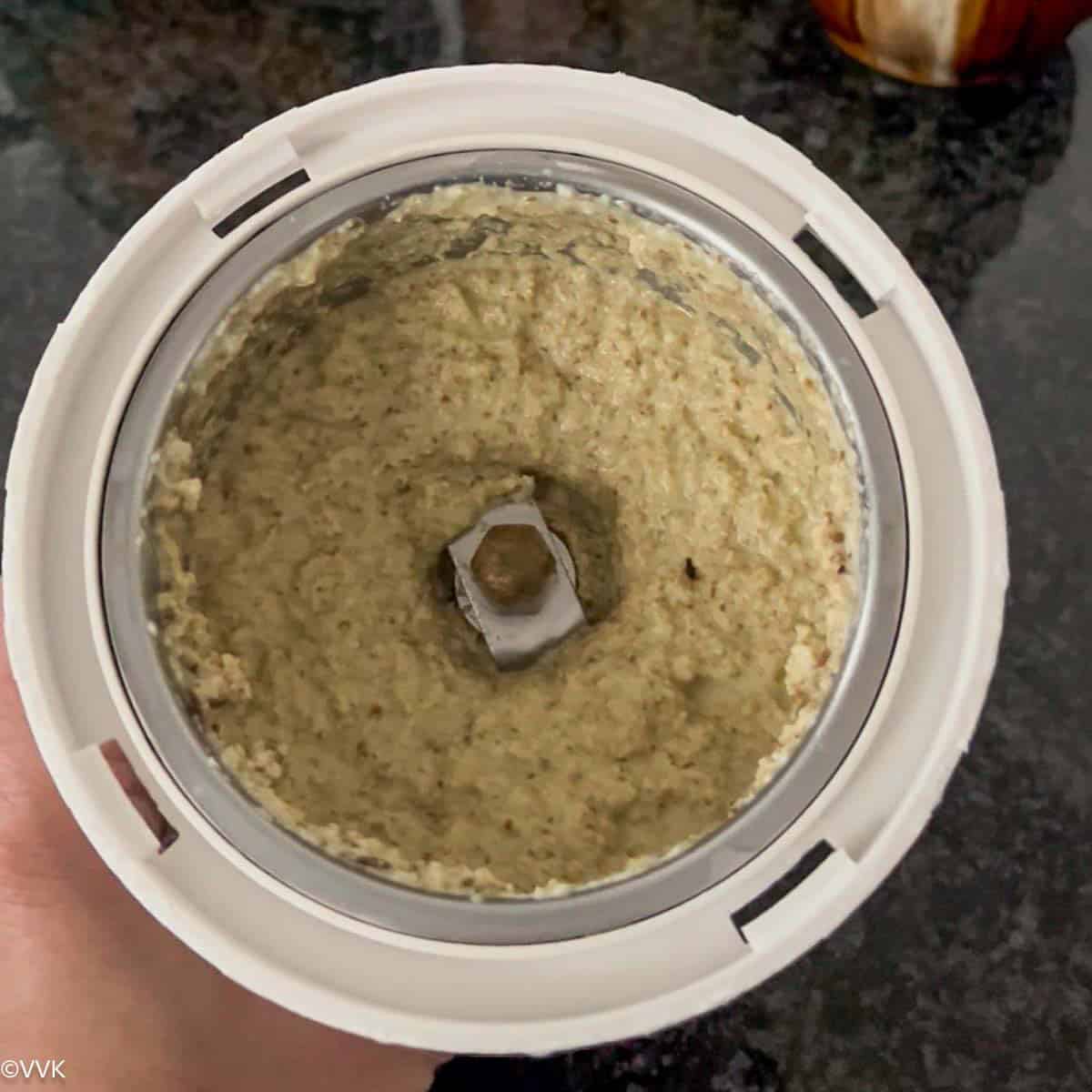
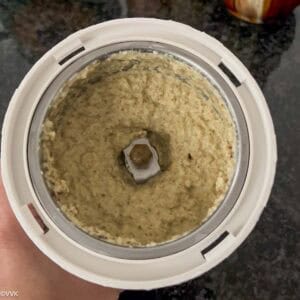
- In a blender, combine the grated coconut, green chilies, and cumin seeds. Add ¼ to ½ cup of water and grind into a smooth paste. Set aside.
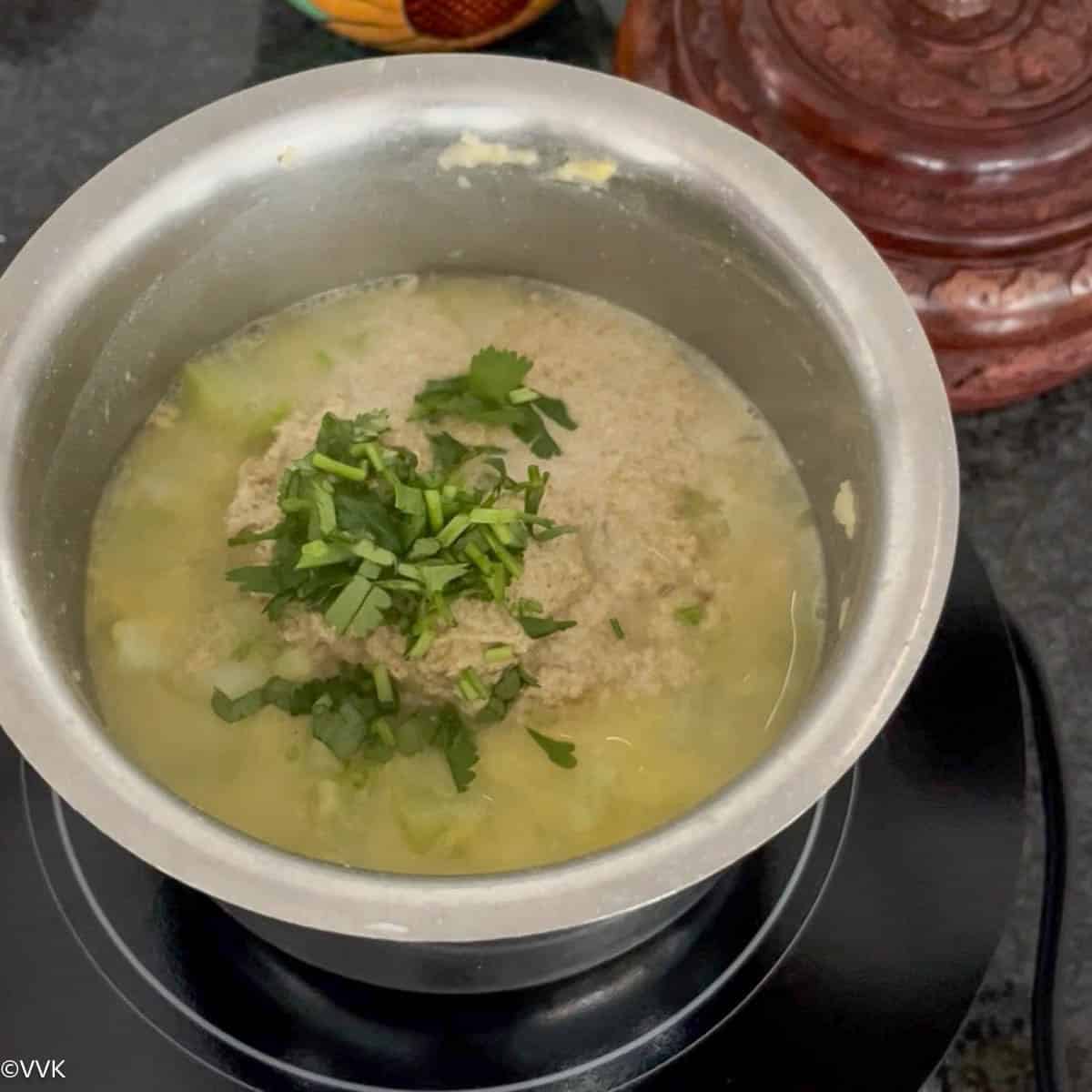
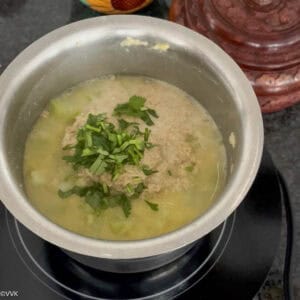
- If you used a heavy-bottomed vessel for pressure cooking (as shown in the video), you can use it directly on the stovetop for the next steps. Otherwise, transfer the cooked dal and vegetables to a saucepan or kadai — do not drain any liquid. Stir the dal and vegetables together and add salt, cilantro (if using), and the ground coconut paste.
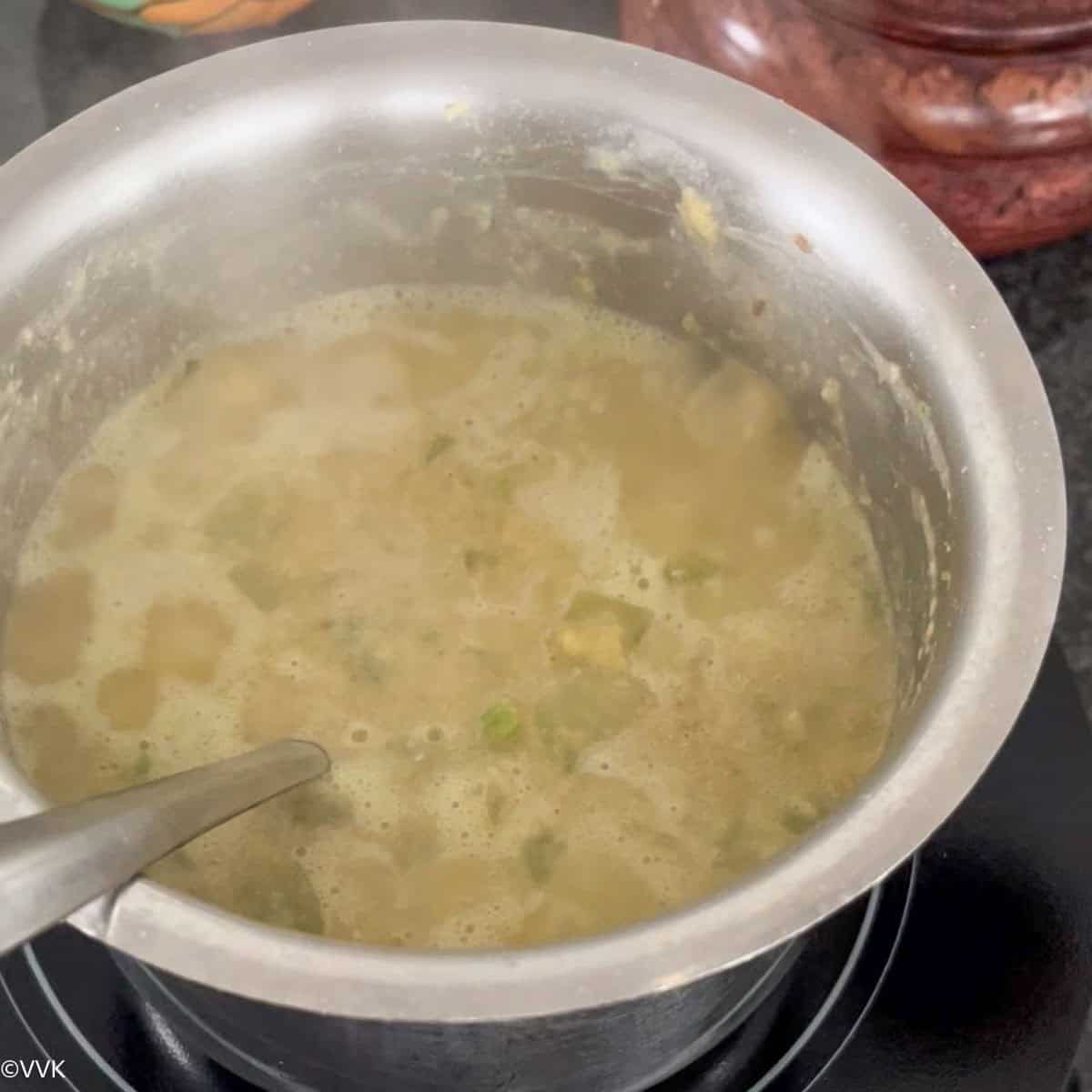
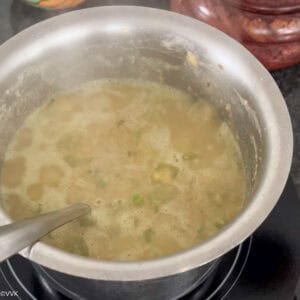
- Bring to a gentle boil, then turn off the heat.
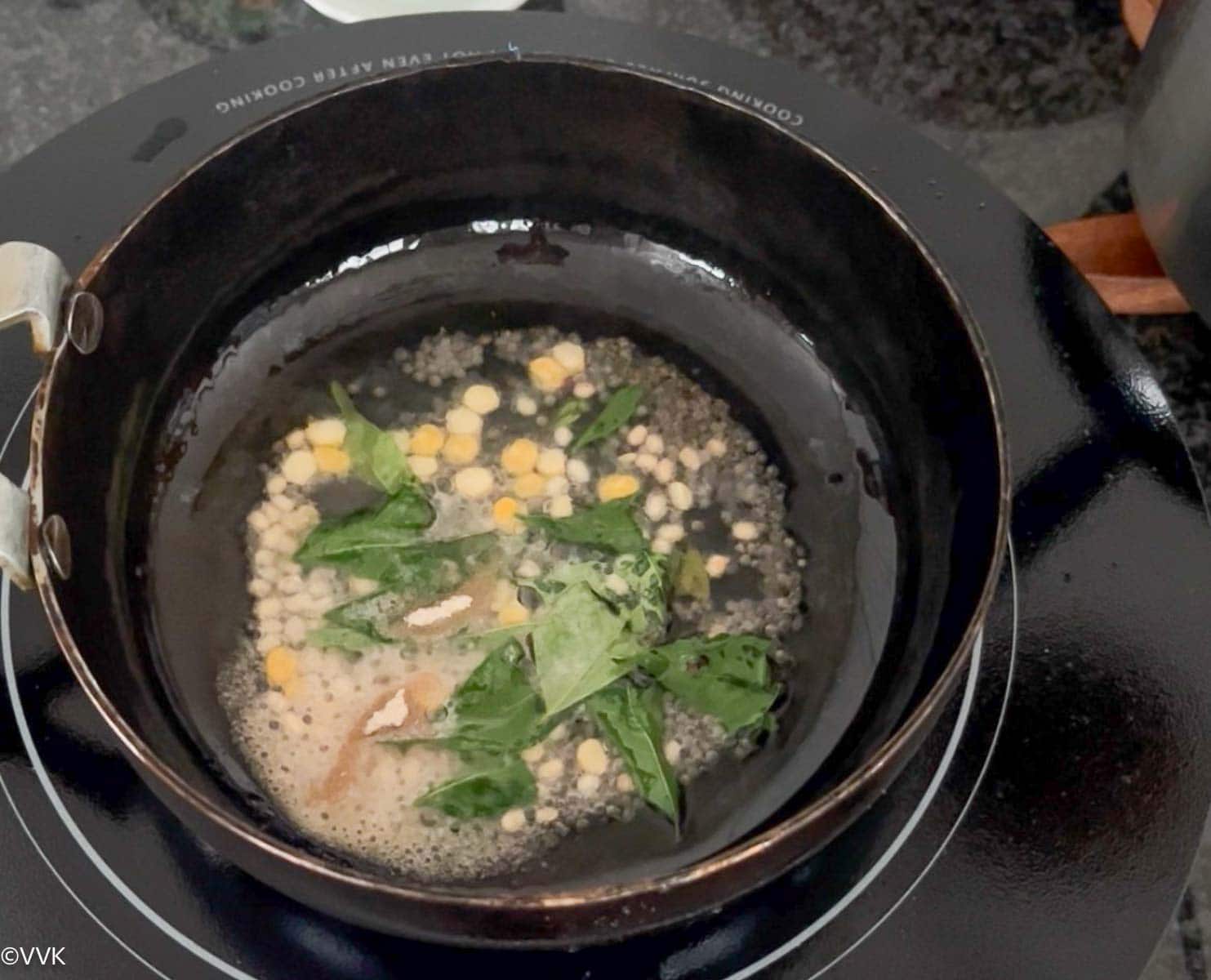
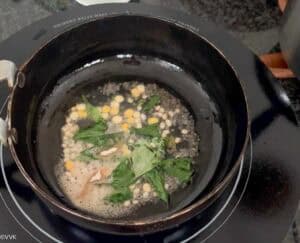
- For the tempering, heat the coconut oil in a small pan. Add the mustard seeds, urad dal, chana dal, asafoetida, and curry leaves. Once the mustard seeds splutter, turn off the heat and pour the tempering over the kootu.
- Serve chow chow kootu with steamed rice and pickle or papad, or as a side dish alongside rice and rasam or rice and sambar.
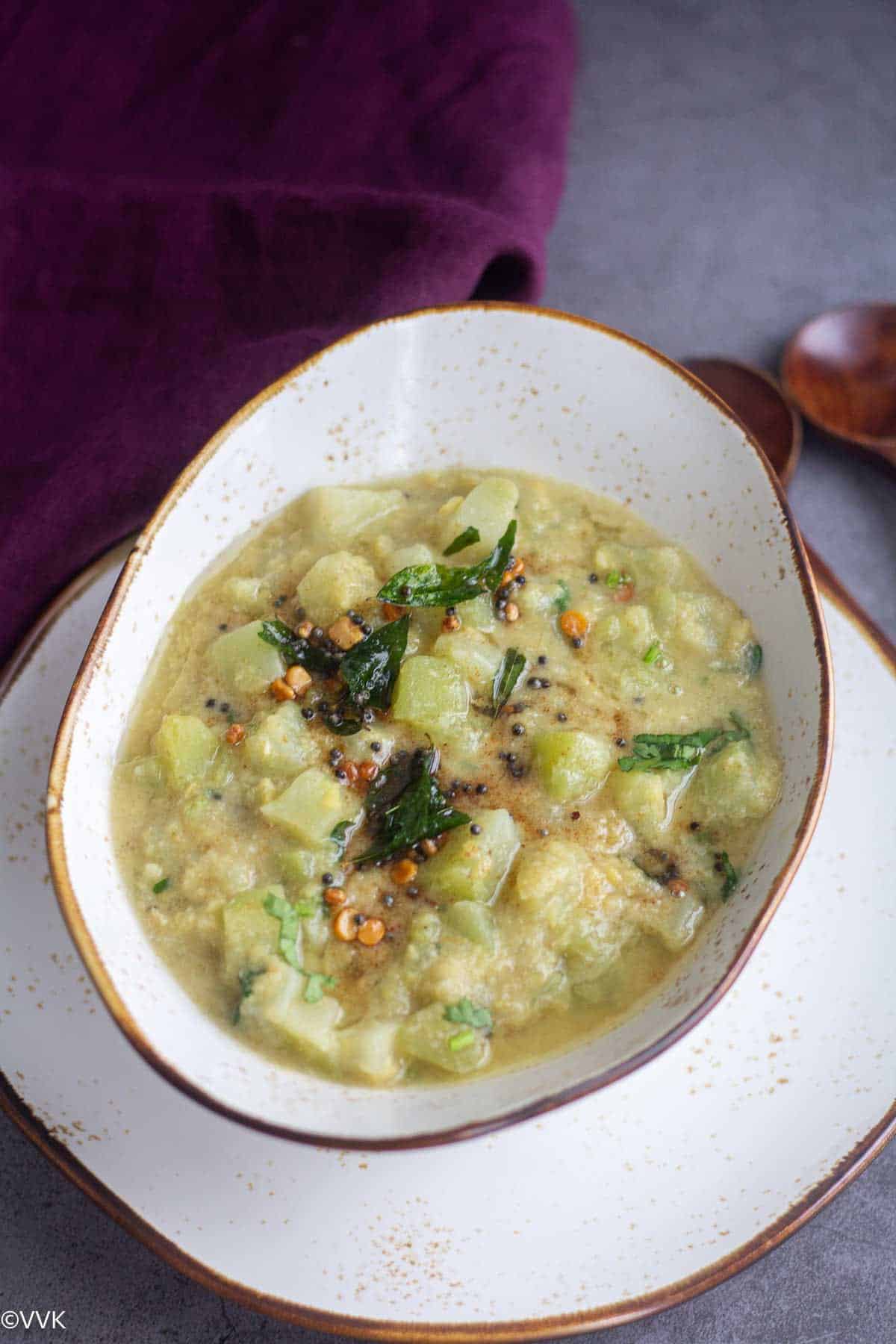
Recipe Notes
- The tempering can be done at the beginning (directly in the cooking vessel) or separately at the end — either way works well.
- Adjust the green or red chilies and salt to your taste.
- Cumin seeds can be increased to up to 1.5 tbsp for this quantity, but avoid exceeding that amount.
One-Pot Pressure Cooker Method: To make this a one-pot kootu, start by doing the tempering directly in the pressure cooker. Add the chopped chayote, moong dal, salt, and pressure-cook for 3 whistles. Once the pressure releases, give everything a good mix, add the ground coconut paste, and bring to a boil in the cooker itself. For extra flavor, drizzle 1 tsp of coconut oil just before serving.
Frequently Asked Questions
For a traditional Tamil Brahmin-style kootu, moong dal is the go-to choice. However, masoor or toor dal can also be used — just make sure the dal is cooked well and turns mushy.
You can swap chayote with ridge gourd, bottle gourd, ash gourd, or snake gourd — the cooking time remains the same. For softer vegetables like zucchini or cucumber, you don’t need to pressure cook; I have a cucumber kootu recipe coming soon!
Yes! If using pepper, reduce the amount of green or red chili accordingly. I don’t combine both pepper and ginger — use one or the other. If adding ginger, a small ¼-inch piece is all you need.
For this style of kootu, red chili powder is not typically used. However, for tamarind-based variations like puli kootu, you can add sambar powder.
Absolutely! I prefer the pot-in-pot method, but you can cook everything directly in the pressure cooker and make the entire kootu in it. See the one-pot method in the recipe notes below.
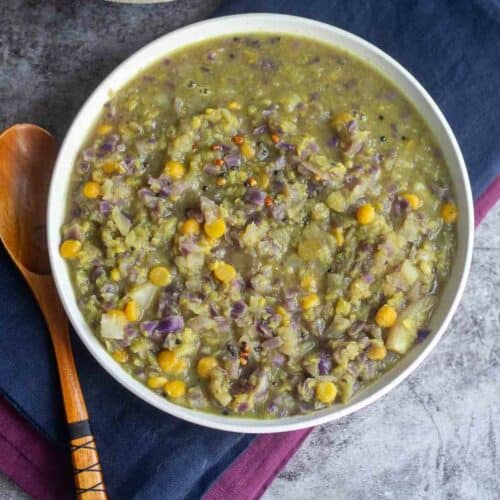
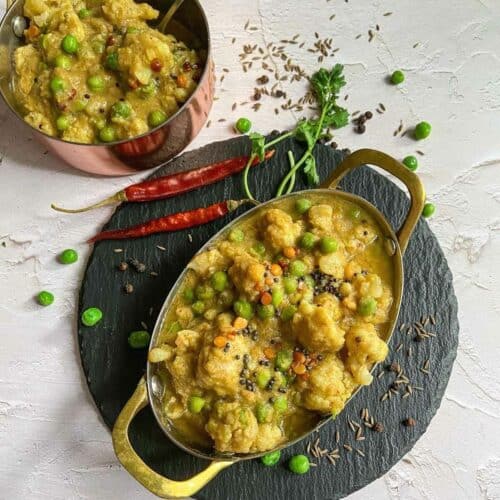
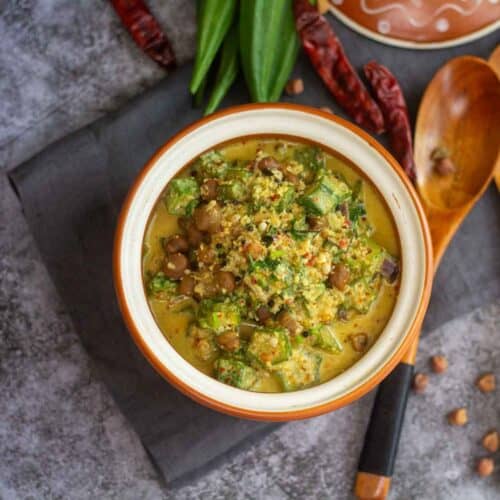
Other kootu recipes from my archives
Loved this recipe?
P.S. If you try this chow chow kootu, please leave a comment and rate the recipe. If you have questions, drop them in the comments, and I’ll respond as soon as possible. Follow me on Pinterest for more healthy, delicious ideas, and on Instagram for regular updates, behind-the-scenes moments, and a peek into my kitchen!
📖 Recipe
Chow Chow Kootu | Easy Tamil Nadu Style Chayote Squash Kootu
Equipment
- Pressure Cooker
- Blender
Ingredients
Measurement Details: 1 cup=240ml; 1 tbsp = 15ml; 1tsp = 5ml;
To Pressure Cook
- ¼ cup moong dal
- ¾ cup water
- 2 chayote squash approx. 475 g, peeled and cubed
To Grind (Kootu Masala)
- ⅓ cup grated coconut if using frozen, thaw to room temperature
- 2 tsp cumin seeds
- 2 green chilies
Other Ingredients
- 1½ tsp salt
- 1 tbsp cilantro chopped (optional, for garnish)
For Tempering
- 2 tsp oil preferably coconut oil
- ½ tsp mustard seeds
- ½ tsp urad dal
- ½ tsp chana dal
- 5 –6 curry leaves
- ⅛ tsp asafoetida
Instructions
- In a vessel that fits inside your pressure cooker, rinse the moong dal thoroughly.

- Add the water, then place the cubed chayote on top. There’s no need to add extra water over the vegetables — chayote naturally releases moisture during cooking. Pressure cook for 3 whistles. Allow the pressure to release naturally before opening.
- In a blender, combine the grated coconut, green chilies, and cumin seeds. Add ¼ to ½ cup of water and grind into a smooth paste. Set aside.
- If you used a heavy-bottomed vessel for pressure cooking (as shown in the video), you can use it directly on the stovetop for the next steps. Otherwise, transfer the cooked dal and vegetables to a saucepan or kadai — do not drain any liquid. Stir the dal and vegetables together and add salt, cilantro (if using), and the ground coconut paste.
- Bring to a gentle boil, then turn off the heat.
- For the tempering, heat the coconut oil in a small pan. Add the mustard seeds, urad dal, chana dal, asafoetida, and curry leaves. Once the mustard seeds splutter, turn off the heat and pour the tempering over the kootu. Serve chow chow kootu with steamed rice and pickle or papad, or as a side dish alongside rice and rasam or rice and sambar.

Notes
- The tempering can be done at the beginning (directly in the cooking vessel) or separately at the end — either way works well.
- Adjust the green or red chilies and salt to your taste.
- Cumin seeds can be increased to up to 1.5 tbsp for this quantity, but avoid exceeding that amount.
Nutrition
I am not a nutritionist. The nutritional information is provided as a courtesy and is an estimate only. It varies depending upon the product types or brands.
Update Notes: This recipe was originally posted in 2013 but now updated with new photos, video and step-wise pictures.






I also add carrots. Makes it look more colorful.
Absolutely. Thanks