

Vibrant, refreshing, and naturally colorful, this butterfly pea lemonade combines the floral notes of butterfly pea flowers with the tang of lemon juice and the cooling texture of basil seeds. It’s not only a visual delight but also a nutritious and hydrating drink that makes any occasion special.
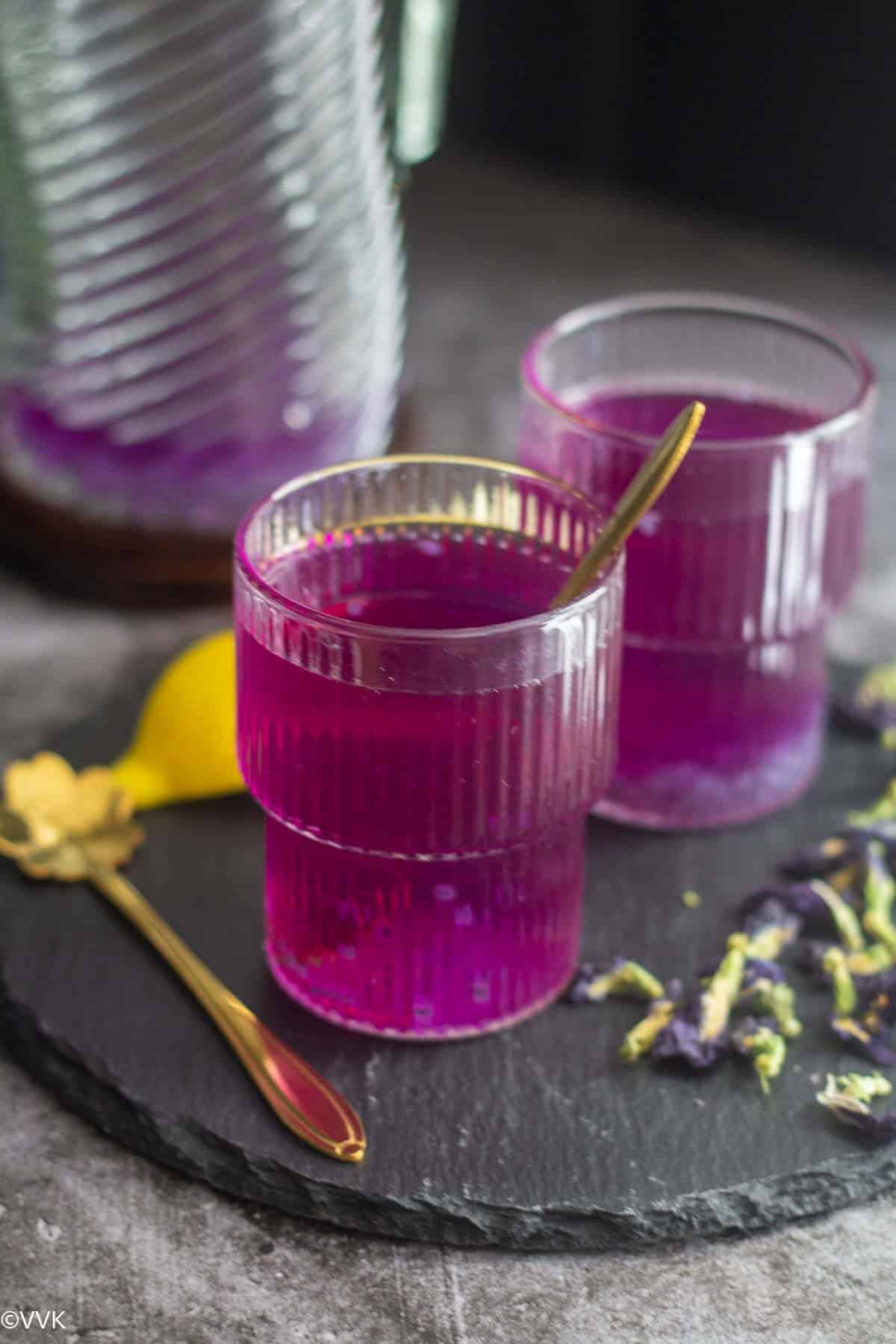
Lemonade is one of those timeless drinks that can be enjoyed year-round. While the classic version is refreshing on its own, there are endless ways to elevate it by adding natural flavors and textures. One such variation is Butterfly Pea Lemonade, a drink that’s as much a feast for the eyes as it is for the taste buds.
Jump to:
This recipe utilizes butterfly pea flowers, renowned for their deep blue hue and numerous health benefits, along with Indian basil seeds (sabja), which offer a cooling effect and a pleasant texture. The color-changing effect of the butterfly pea flower when lemon juice is added makes this drink especially fun and engaging, particularly for kids. It is almost like serving a science experiment in a glass—delicious, educational, and entertaining all at once.
Where to source butterfly pea flower
Growing up in India, butterfly pea flowers were common backyard plants, often used in daily prayers and rituals. The plant blooms in shades of white and blue, and while hibiscus tea was a staple, butterfly pea flowers rarely made it into recipes. Only later did many realize the value of this flower—not only for its unique natural coloring properties but also for its antioxidant and anti-inflammatory benefits.
Today, butterfly pea flowers are more widely recognized and accessible. If you live abroad, dried butterfly pea flowers can be easily sourced online through retailers like Amazon. In India, they may be available at local herbal shops or specialized online stores. And if you’re lucky enough to have a butterfly pea creeper in your backyard, nothing beats the freshness of plucking flowers straight from the plant. Simply wash them thoroughly before use, and you’re ready to brew your own batch of tea or lemonade.
The color-changing effect
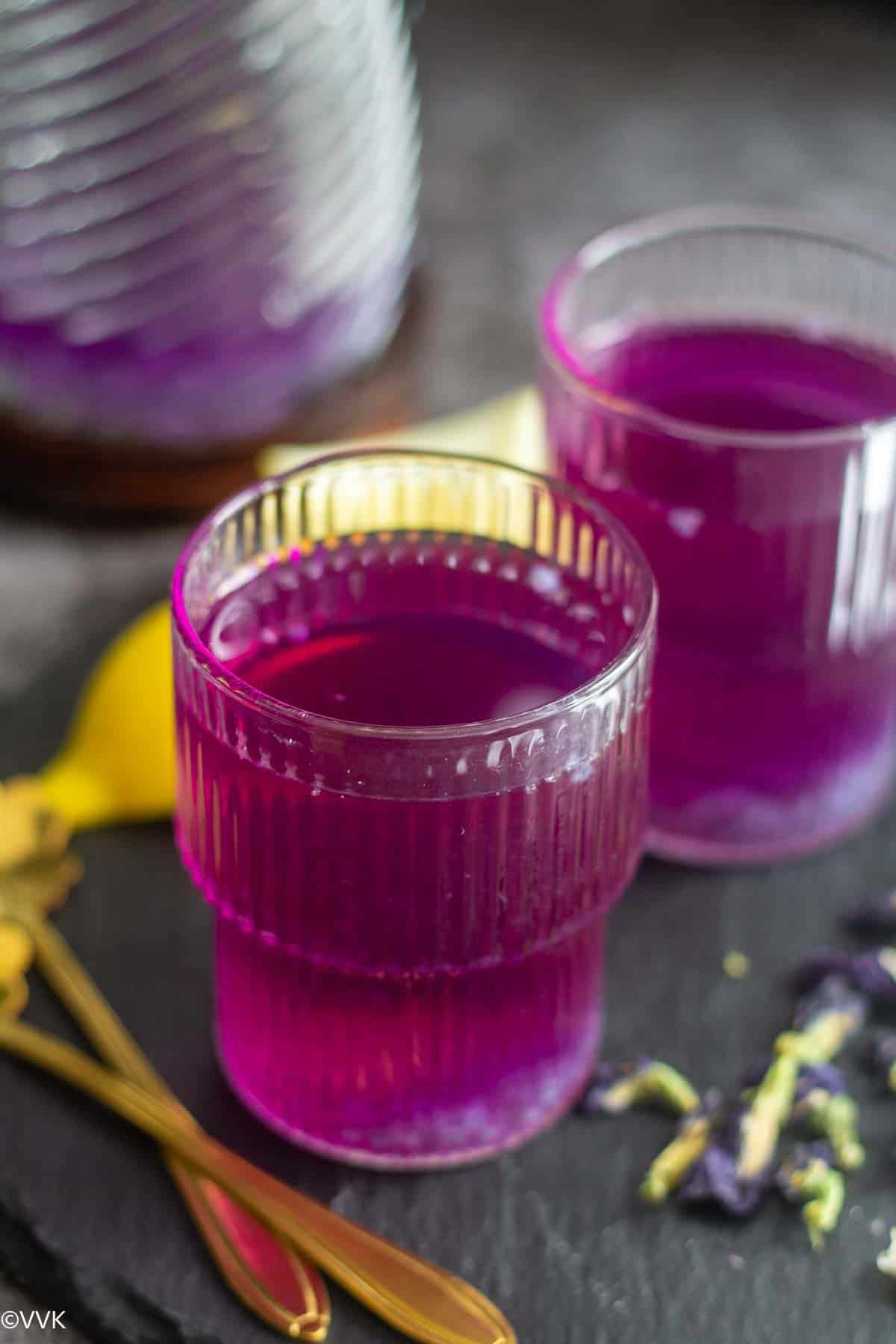
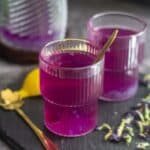
One of the most fascinating aspects of butterfly pea lemonade is its magical color transformation. When you steep dried butterfly pea flowers in hot water, they release a deep indigo-blue shade. But as soon as you add lemon juice, the acidity alters the pH of the solution, turning the blue liquid into a vibrant purple or even pink.
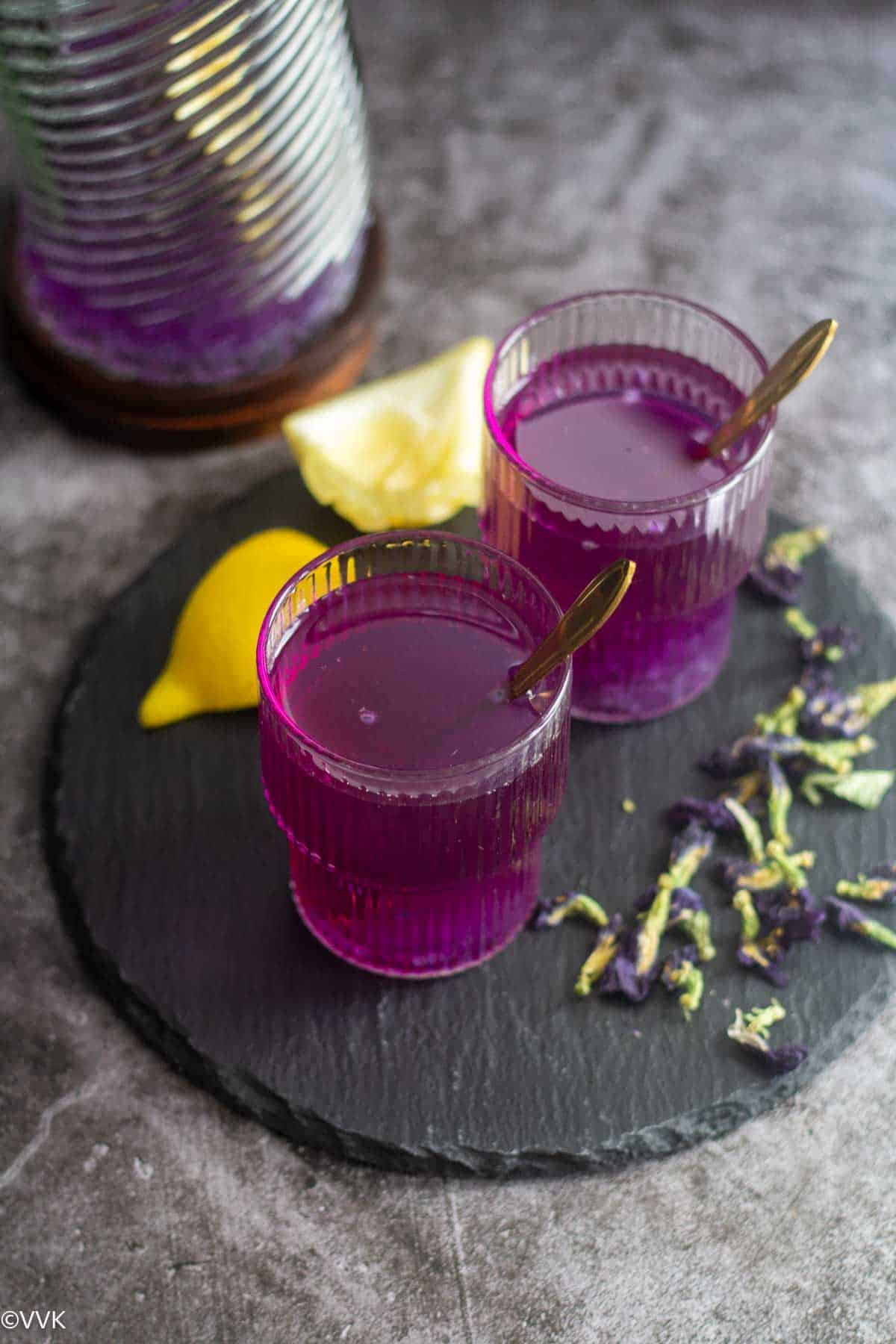
The science behind this phenomenon lies in pigments called anthocyanins, which are also found in blueberries. These pigments react to acidity levels, shifting their hue along the color spectrum depending on the pH. In a neutral solution, they remain blue, but in acidic conditions—like when lemon juice is added—they transform to purple and pink. This makes butterfly pea lemonade not just a drink but also a fun experiment for children, who will be amazed at how quickly the colors change. For more details on the science behind this transformation, you can check this resource.
Ingredients required
We’ve talked quite a bit about reactions and pH levels, so now let’s move on to what actually goes into making this beautiful lemonade.
Butterfly pea flower – I have used 12 dried flowers, but anywhere between 10 to 12 works well for this recipe. That amount gives a lovely color and flavor without being overpowering.
Lemon juice – You’ll need about 2 to 3 tablespoons of freshly squeezed lemon juice. The freshness makes all the difference here, and of course, it’s the star in creating the magical color shift.
Basil seeds (sabja seeds) – These are primarily included for their texture. In fact, they’re a common addition to many Indian drinks, especially kulukki sarbath, where the soaked seeds add both crunch and cooling qualities. That same idea is applied here, making the lemonade more fun to drink. However, basil seeds do have natural cooling properties, so if you’re making this during a cold season, you may want to be cautious. They can also be skipped if you prefer. As an alternative, you could use chia seeds, but let me be very clear—chia seeds and basil seeds are not the same. They behave differently and have distinct properties.
Sugar – This is used to sweeten the lemonade. You can add regular sugar directly (no need for a separate sugar syrup in this recipe), or you can swap it with honey, maple syrup, or even a sugar substitute, depending on your preference.
Water and ice cubes – Finally, you’ll need water to dilute the drink and plenty of ice cubes if you want it chilled.
How to make butterfly pea lemonade
- Soak the dried butterfly pea flowers in 1.5 cups of hot water for approximately 30 minutes, until the liquid has turned a rich blue color.
- In a separate small bowl, soak the sabja seeds in ¼ cup water until they swell and develop a gel-like texture.
- After 30 minutes, remove the flowers from the water.
- Add the lemon juice to the blue liquid and watch as the color changes beautifully to a purple-pink.
- Stir in sugar, the soaked basil seeds, and 1 cup of water. Mix well until the sugar dissolves.
- Chill in the refrigerator or serve immediately, accompanied by ice cubes.
Recipe notes
- Adjust sweetness as needed. You can replace sugar with honey, maple syrup, agave nectar, or other sweeteners.
- Fresh butterfly pea flowers can be used in place of dried ones—just ensure they are thoroughly washed.
- The drink is mildly tangy, but you can increase the amount of lemon juice for a more acidic taste.
- If you like to experiment, try adding rose syrup, nannari syrup, or mint for extra flavor layers.
Tips for best results
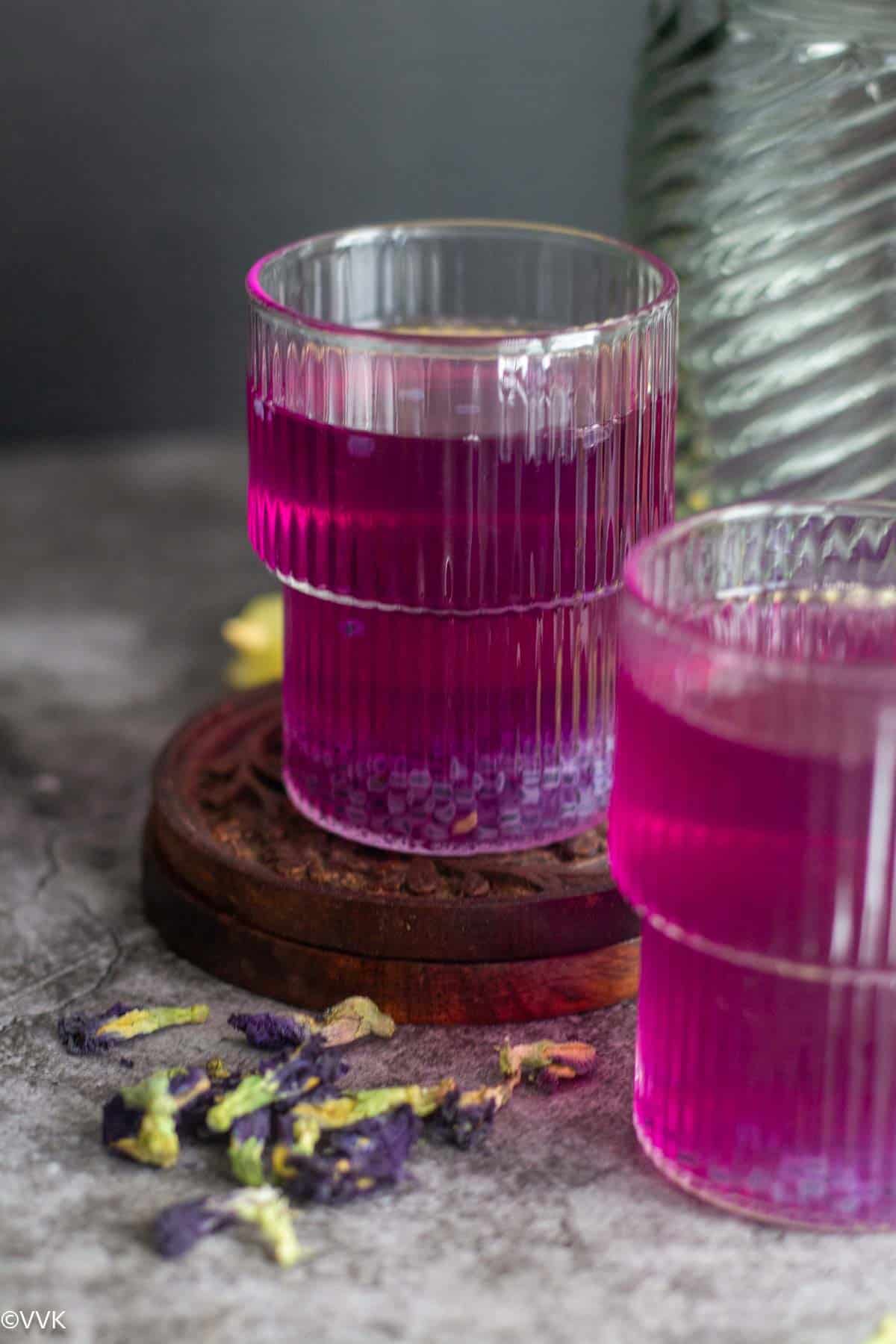
- Serve the lemonade in clear glasses to highlight the magical color shift.
- If preparing ahead, steep the flowers and refrigerate the blue tea. Add lemon juice just before serving to show off the transformation.
- Basil seeds provide a lovely cooling effect, making this perfect for hot summer days. For winter, you can skip them or swap them with chia seeds (though they are not the same).
Serving suggestions
This recipe yields two servings, making it ideal for sharing on a warm afternoon or as a fun welcome drink. Pair it with:
- Light appetizers, such as roasted nuts or fruit skewers.
- Indian snacks such as pakoras, chaat, or samosas.
- Summer meals like grilled vegetables or wraps.
Frequently asked questions
Yes, you can prepare the butterfly pea tea base and store it in the fridge. Add lemon juice, basil seeds, and sweetener only when ready to serve.
Yes! Kids will love the magical color change. Supervise younger children with basil seeds, as they may pose a choking hazard.
Absolutely—replace the 1 cup of water with sparkling water for a bubbly twist.
The butterfly pea flower has a very mild, earthy taste. The dominant flavors are lemon and sweetness, so the drink tastes just like refreshing lemonade.
More lemonade recipes
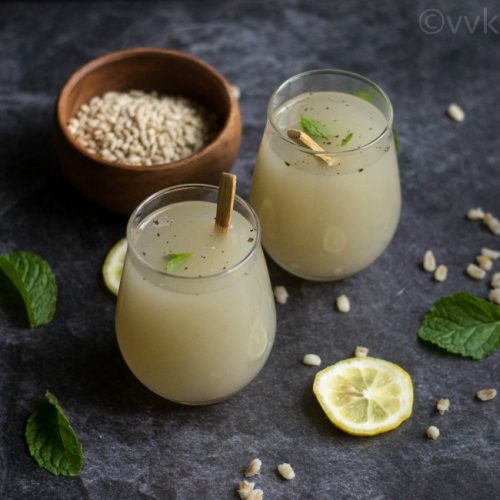
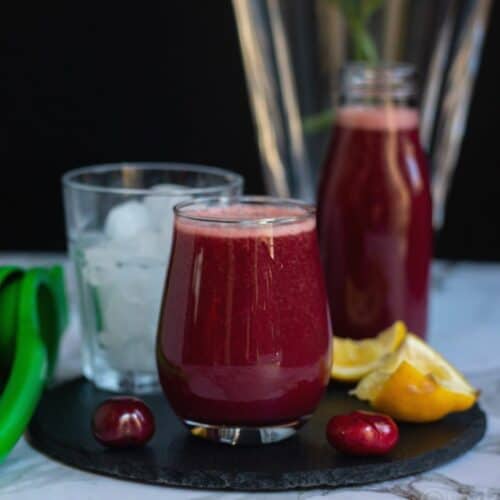
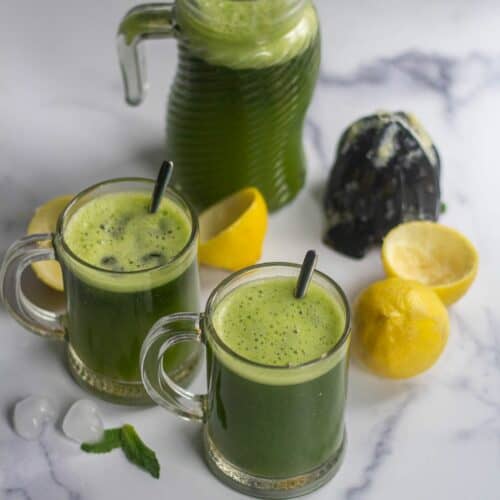
Butterfly Pea Lemonade is more than just a drink—it’s an experience. With its stunning hues, refreshing taste, and health benefits, it’s the perfect recipe to impress family and friends. Whether you’re serving it for kids as a fun science trick or as an elegant summer cooler, this lemonade is guaranteed to delight. But if you are looking for more lemonade recipes, both sweet and savory, do check out the recipes below.
📖 Recipe
Butterfly Pea Lemonade
Ingredients
Measurement Details: 1 cup = 240ml; 1 tbsp = 15ml; 1 tsp = 5ml;
- 10 to 12 dried butterfly pea flowers
- 1.5 cups hot water
- 1 teaspoon basil seeds sabja seeds, soaked in ¼ cup water
- 2 tablespoons lemon juice freshly squeezed
- 1 cup cold water
- 2 tablespoons sugar or to taste (alternatives: honey, maple syrup, agave nectar, or sugar substitutes)
- Ice cubes for serving
Instructions
- Soak the dried butterfly pea flowers in 1.5 cups of hot water for approximately 30 minutes, until the liquid has turned a rich blue color.
- In a separate small bowl, soak the sabja seeds in ¼ cup water until they swell and develop a gel-like texture.
- After 30 minutes, remove the flowers from the water.
- Add the lemon juice to the blue liquid and watch as the color changes beautifully to a purple-pink.
- Stir in sugar, the soaked basil seeds, and 1 cup of water. Mix well until the sugar dissolves.
- Chill in the refrigerator or serve immediately, accompanied by ice cubes.
Video
Notes
- Adjust sweetness as needed. You can replace sugar with honey, maple syrup, agave nectar, or other sweeteners.
- Fresh butterfly pea flowers can be used in place of dried ones—just ensure they are thoroughly washed.
- The drink is mildly tangy, but you can increase the amount of lemon juice for a more acidic taste.
- If you like to experiment, try adding rose syrup, nannari syrup, or mint for extra flavor layers.
Nutrition
I am not a nutritionist. The nutritional information is provided as a courtesy and is an estimate only. It varies depending upon the product types or brands.






This lemonade turned out amazing—light, floral, and perfect as a refreshing drink. Everyone loved it!
Thank you Catalina.
I am always on a hunt for the most amazing drinks, and this happens to be one of them. That color is out of this world, thank you for sharing it!!
Thanks, glad you liked it.
The most incredible lemonade. The color is fantastic. Thank you for the amazing recipe!
Thanks a lot
What a gorgeous drink! I love how the butterfly pea flowers transform from deep blue to purple with lemon juice.
Thanks so much.
This lemonade was both gorgeous and delicious! Definitely making this one again, it was so much fun.
Thanks a lot
Been on an anti-inflammatory diet and so glad I ran into this drink. Heard so many good benefits using butterfly pea and tried this. So delicious and you cant forget about the pretty color too!
Oh I am glad. I honestly didn’t think from anti-inflammatory point.
I am so in love with this! The combination of citrus and floral notes is just so good!
Thank you :-) Glad you liked it.
This blend of flavors is so refreshing and delicious. It’s like drinking the smells of a summer garden!
ha ha oh yeah. Thanks
This is so refreshing and delicious. Such an unexpected flavor, too!
Yup, thanks